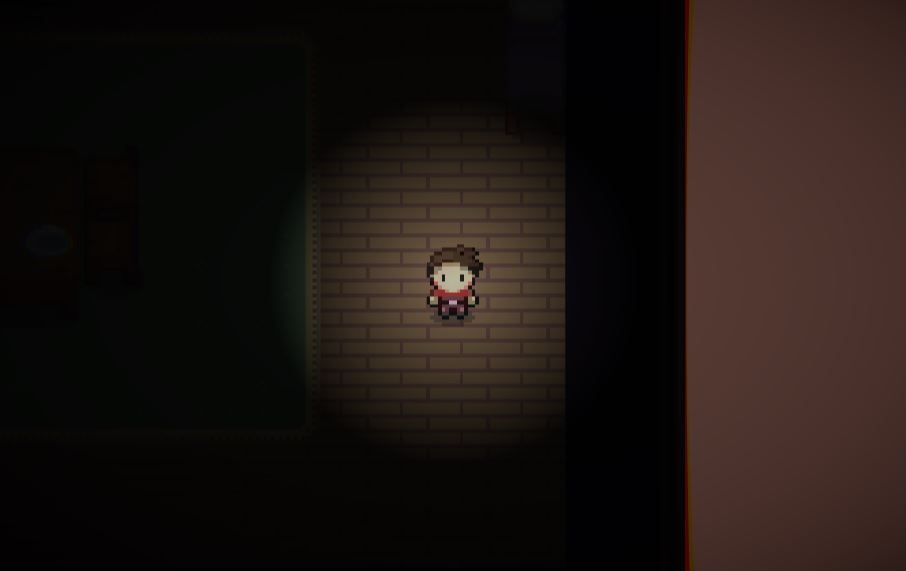
Delusional Disorder is the debut game from developer JustGameDev, a 2D pixel art survival horror game that tells the story of a boy trapped in a nightmare, desperately trying to wake up. With its dark atmosphere, top-down aesthetic, and two different endings to discover, the game challenges the perception of dream and reality.
✅ Pros: Community-praised level design, atmospheric pixel art style, short but impactful gameplay, accessible in browser without installation, ambitious debut for a first game.
❌ Cons: limited duration (short game), possibly simple mechanics typical of a first project, no information about controls or tutorials in the description.
It's ideal for players who enjoy indie psychological horror, short narrative experiences, and want to support up-and-coming developers with promising talent.
📋 Technical Specifications
| Feature | Detail |
|---|---|
| 🎮 Platform | HTML5 (play-in-browser) |
| 📱 Access | Web browser (no installation required) |
| 🔧 Motor | Unity |
| 🎯 Gender | Adventure, Action, Survival Horror |
| 🎨 Visual Style | 2D Pixel Art |
| 👁️ Perspective | Top-Down |
| 👤 Mode | Single player |
| ⏱️ Duration | Short |
| 📊 State | Released |
| 👥 Developer | JustGameDev (First game) |
| 🔚 Finals | 2 different endings |
🎭 History and Narrative
The central premise revolves around a child trapped in what appears to be a dream... or more specifically, a nightmare . The protagonist struggles to awaken from this dreamlike state, but the game poses the existential question: "Is it really a dream? "
This narrative ambiguity between reality and fiction is at the heart of the game, directly reflected in its title "Delusional Disorder," which suggests deeper psychological themes.
Multiple Endings System
The game offers two distinct endings , encouraging replayability to discover both conclusions. The developer explicitly challenges players: "There are 2 endings, so do your best to find the second ending 😉"
This multiple-ending mechanic adds depth to the short narrative, suggesting that the player's decisions or different exploration paths affect the outcome.
🎨 Visual Design and Atmosphere
Pixel Art Style
Delusional Disorder uses 2D pixel art with a top-down perspective, an aesthetic choice reminiscent of indie horror classics like Lone Survivor or Yume Nikki. This visual style not only facilitates development for a first project but also creates a retro-nostalgic atmosphere that enhances the sense of unease.
Atmosphere and Tags
The game is explicitly labeled as:
-
Atmospheric
-
Horror
-
Survival Horror
-
Short
-
2D Top- Down
The combination of these elements suggests a focus on psychological tension rather than cheap scares, prioritizing environmental immersion over explicit gore.
🕹️ Gameplay and Mechanics
Although the description does not detail specific mechanics, the listed genres ( Adventure, Action, Survival ) suggest:
-
Exploration: Navigating dream environments in search of exits
-
Survival: Possible evasion or resource management mechanics
-
Action: Elements of confrontation or active challenge
-
Puzzles: Likely integration of puzzles for progression
The top-down perspective facilitates spatial exploration and stealth mechanics typical of survival horror.
🏆 Level Design
Community Praise
One featured comment on the page specifically praises: "Good job. I like your level design! :D "
This positive feedback from real players indicates that, despite being a first game, JustGameDev managed to create coherent, navigable spaces, likely with a good distribution of challenges and tense moments.
Effective level design is crucial in survival horror, where spatial architecture dictates the pace, tension, and player experience.
🎮 Accessibility and User Experience
Advantages of the Browser Format
Being an HTML5 game playable directly in a browser , it offers:
✅ Instant access: No downloads or installations required
✅ Cross-platform: Works on PC, Mac, Linux, and tablets
✅ Barrier-free: Try it now with no commitment
✅ Lightweight: Doesn't take up local storage space
This accessibility is especially valuable for a first indie game, reducing friction between discovery and experience.
💬 Community Reception
Verified Positive Reviews
Regarding level design:
"Nice job. I like your level design! :D"
Developer's response: "Thanks man ❤️"
Regarding artistic style:
"This game looks really cool! I like the art style."
Developer response: "thanks for your feedback bro ❤️"
The developer's direct interaction with comments demonstrates commitment to the community and openness to feedback, positive signs of an emerging creator.
Rating Analysis
Although there is no visible numerical rating in the attached file, the qualitative comments are 100% positive , highlighting visual and design aspects.
🧪 Context as the First Game
"This is My First Game ever BTW 😃😄" - JustGameDev
This statement from the developer is crucial for contextualizing the review. As a debut in game development:
Notable achievements:
-
✅ Complete and released game (not abandoned)
-
✅ Implemented multiple-ends system
-
✅ Cohesive atmosphere recognized by players
-
✅ Professionally praised level design
-
✅ Defined and consistent visual aesthetic
Realistic expectations:
-
❌ Don't expect revolutionary mechanics
-
❌ Limited duration (labeled "Short")
-
❌ Possible bugs or imperfect polish
-
❌ Narrative likely to be straightforward vs. complex
🎯 Comparisons with Other Titles
Similar games:
-
Yume Nikki: Similar top-down dream exploration
-
Lone Survivor: Pixel art survival horror with multiple endings
-
FAITH: Minimalist horror with a retro aesthetic
-
Grimm's Hollow: A short RPG with dark themes
Delusional Disorder seems to position itself in this niche of accessible psychological horror , prioritizing atmosphere over technical complexity.
🎯 Final Conclusion
Delusional Disorder is ideal for:
-
Indie psychological horror fans
-
Players who appreciate atmospheric pixel art
-
Hunters of multiple endings and secrets
-
Those who enjoy short narrative experiences (1-2 hours)
-
Supporting promising new developers
✅ Play if:
-
Do you like Yume Nikki, Lone Survivor, or OMORI?
-
You prefer atmospheric horror over jump scares
-
You want short but memorable experiences
-
You appreciate the effort of early indie projects
❌ Avoid if:
-
Are you looking for complex mechanics or AAA polish?
-
You need long games (+10 hours)
-
You don't like pixel art or top-down
-
Do you prefer action horror vs. psychological horror?
🔗 How to Play Delusional Disorder
Instructions:
-
Click on the game link
-
Press "Run game"
-
Wait for Unity's WebGL to load
-
Explore, survive, and discover both endings
Tip: Save your progress regularly and explore thoroughly to find the second hidden ending.
📊 Overall Score: 7/10
Atmosphere: 8/10 - Excellent for a first playthrough.
Level Design: 8/10 - Praised by the community.
Visual Art: 7/10 - Cohesive and effective pixel art.
Narrative: 7/10 - Intriguing premise with multiple endings.
Replayability: 7/10 - Two endings encourage a second playthrough.
Length: 6/10 - Short but appropriate for the scope.
LATEST POSTS
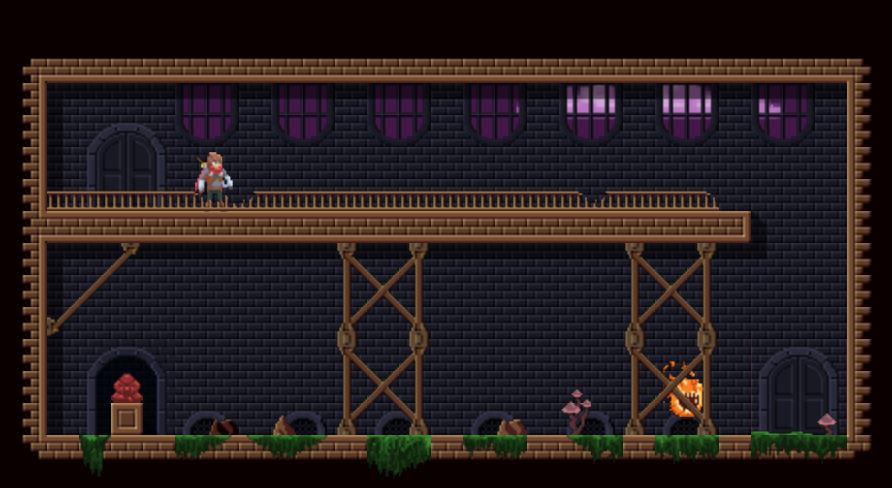
👻 Ecto Stomp Review
Ecto Stomp is an action puzzle-platformer currently in development. It offers platforming gameplay with action mechanics and idol-based scoring.
Play Now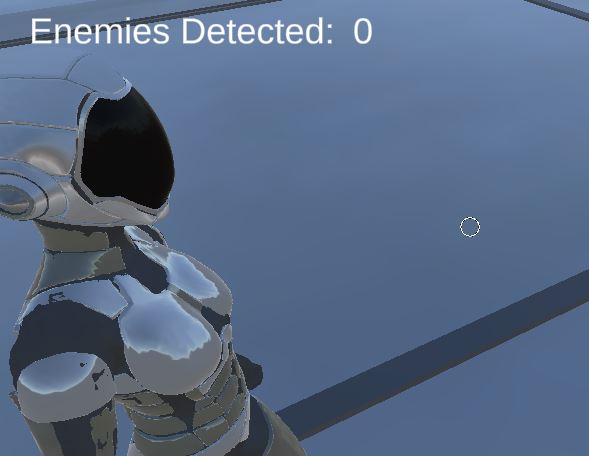
Dimension Pirates
Third-person perspective of an interdimensional warrior who must save the universe and humanity by eliminating a wide variety of villains trying to conquer multiple dimensions.
Play Now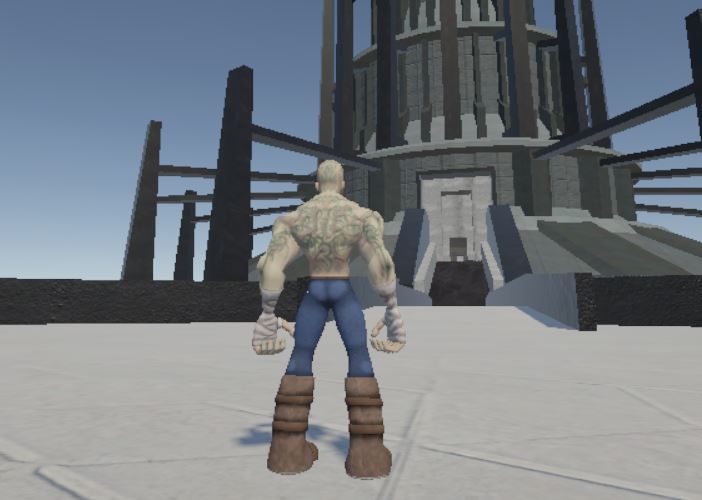
Medieval Parkour - Castle
Medieval Parkour - Castle: Freely explore a 3D-modeled medieval castle. Technical demo with no objectives.
Play Now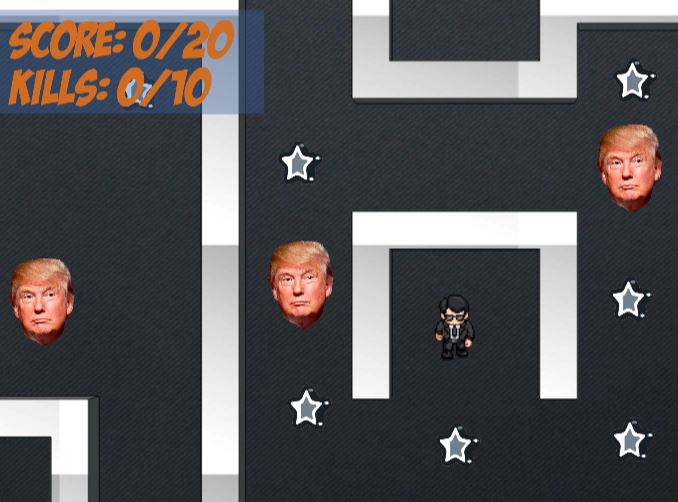
Agent Amazement
Agent Amazement game: A browser-based shooter prototype. Free to play. 6.5/10 rating.
Play Now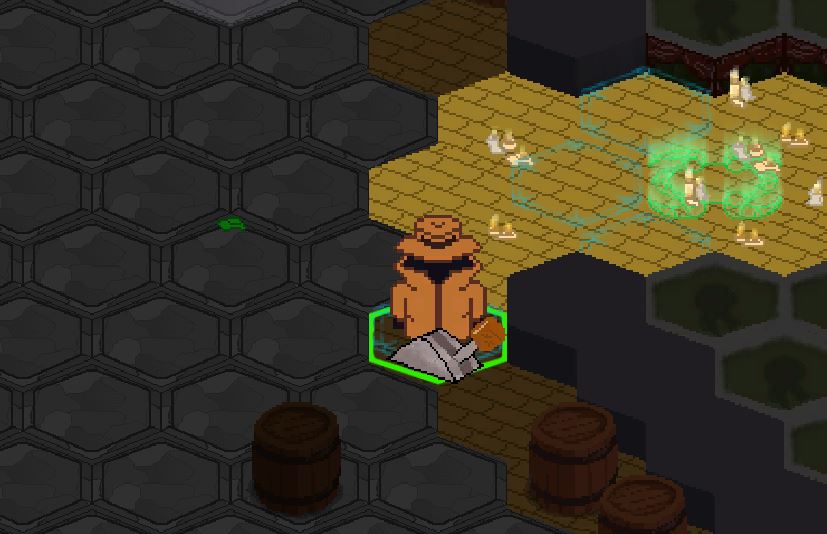
Otherworldly Relics
Otherworldly Relics: turn-based hexagonal puzzle about detective vs. dimensional occult plot. Brain mechanics, isometric pixel art. Free WIP 2026.
Play Now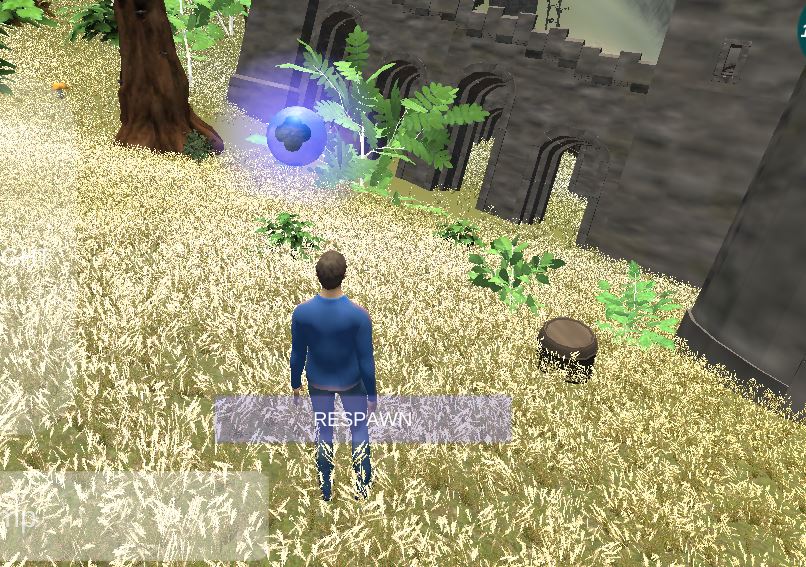
🏰 CastleZZ
CastleZZ: Play in your browser without downloading anything. Explore castles, villages, and forests in 3D from your mobile device or PC/Mac. Compatible with iPhone/Android.
Play Now